
Foot and Ankle Podiatry Care for Gold Coast Marathon Season
Some advice and insight into how our senior podiatrist, Craig Bramwell, is preparing for his Gold Coast Marathon.
With the Gold Coast Marathon only days away, all of my hard training is done. The fitness is in the bank. The intense sessions I feared, and the long runs, are behind me. Now the focus shifts to arriving at the start line ready to go: tapered, physically calm, and prepared for 150-odd minutes of whatever the marathon throws at me.
Our feet are the one piece of equipment that cannot be replaced on race day. Small issues like a poorly trimmed nail, the wrong socks, or a hotspot ignored at kilometre 12 can turn into race-ending problems. The final days are all about controlling the controllables and giving your feet the best chance of carrying you to the finish line.
Here’s what I’d encourage every runner to lock in before race day.
Shoes: No surprises on race day
Your race day shoes should already be chosen, tested, and run in for at least 40-60 km. The final weeks are about confirming comfort, not experimenting.
Fit: Some runners like a snug fit and treat foot pain as part of the experience. I’m not one of them. I opt for one thumb width of extra length and enough forefoot width to reduce friction and pressure on my toes, particularly as the feet warm up and expand over a longer run.
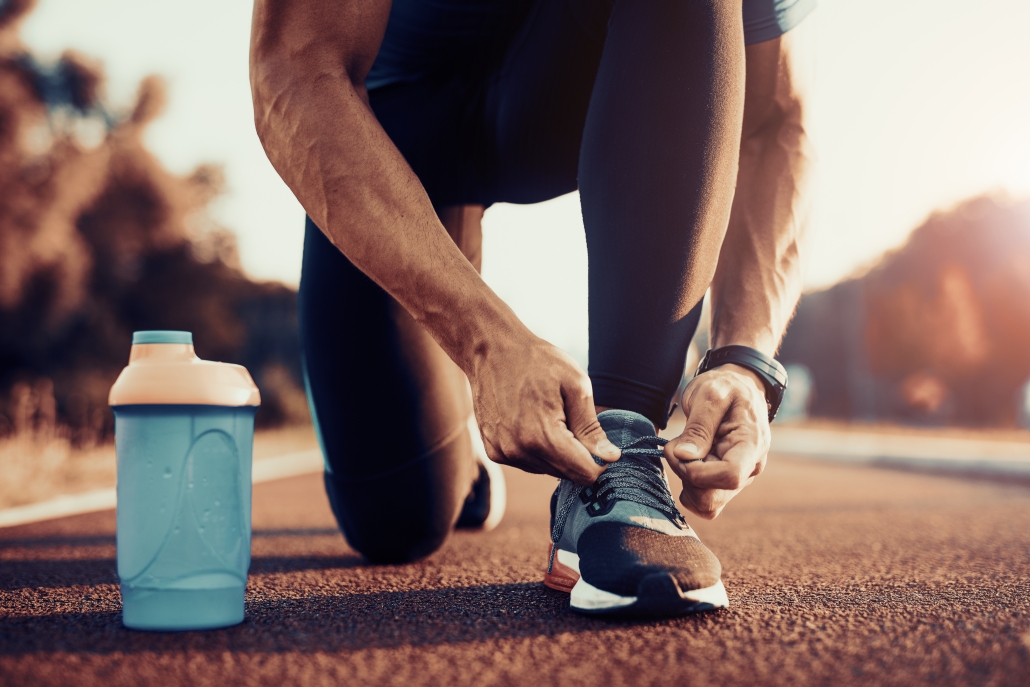
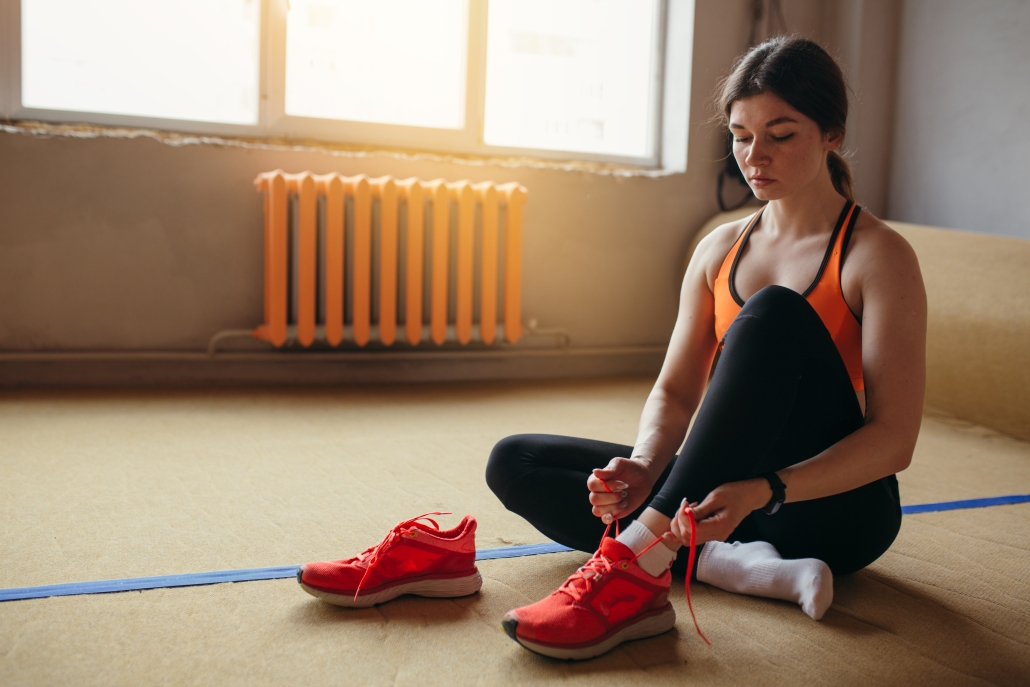
Lacing: I use heel lock lacing to secure the heel and stop slipping. For runners who experience pressure across the top of the foot, volume lacing techniques can make a real difference to comfort during a race.
Carbon shoes: Not all carbon-plated shoes are created equal. Fit, support, and geometry, including rocker position, vary considerably and can produce very different experiences depending on your race, speed, and foot strike. I’ve settled on the Nike Alphafly 3s after testing my first pair across runs from 8 to 35 km. By race day, my new pair should have around 45 km on them: enough to break them in, soften them up, and take the edge off that out-of-the-box stiffness. I’ve found more comfort in other race shoes, but the Alphaflys give me increased heel and midfoot width underfoot, which is a real stability benefit in the final 10 km when fatigue kicks in.
Race day rule: Nothing new on race day. Especially shoes!
Socks: Your first line of blister defence
Socks are underrated, but critical. On race day, I’m here for a good time and a long time, and if there’s one thing worth paying top dollar for, it’s socks.
Look for:
- Synthetic moisture-wicking fibres or merino blends (avoid cotton, which holds moisture against the foot)
- Seamless or low-seam construction to reduce friction
- A combination you’ve already tested on at least one long run
A few I’d personally recommend:
Injinji: My go-to for all runs. They’re toe socks, which reduce rubbing between toes, with moisture-wicking material and good padding at the heel and forefoot.
Lightfeet: My preferred work and gym sock. Comfortable, wide in the toe box, padded where it counts, and secure around the arch.
Feetures: A great all-round running sock. Light, breathable, and durable.
Nails: Trimmed correctly and early
As a podiatrist, I see a strong correlation between poorly managed nails and pain, bruising, or bleeding in runners, especially as the feet warm up and the skin softens.
- Trim straight across, not down the sides
- Leave a small amount of free edge (don’t cut them too short)
- Smooth the edges with a file to prevent catching on your socks
- If you have a history of black toenails, consider a slightly roomier shoe or a lacing adjustment to reduce toe box pressure
For calluses, reduce them with a foot file about a week out from race day. If you’d prefer a podiatrist to do it, now is the time to book in.