• Knee Pain Treatment Gold Coast

Knee Pain Assessment & Management

Is your knee pain affecting your daily activities, exercise, or lifestyle?
Considering treatment options for knee pain before or after surgery?
Still experiencing discomfort following knee surgery?

Book your knee assessment today

Call today to start your journey to Knee Pain Relief!

Knee Pain Assessment & Management

Is your knee pain affecting your daily activities, exercise, or lifestyle?
Considering treatment options for knee pain before or after surgery?
Still experiencing discomfort following knee surgery?

Book your knee assessment today

Knee Pain Assessment & Management

Is knee pain affecting your favourite activities?

Knee pain can occur for a variety of reasons and may affect walking, exercise, sport, work, and everyday movement.

Contributing factors may include joint irritation, muscle weakness, overuse, altered movement patterns, previous injury, arthritis, or biomechanical factors involving the foot, ankle, hip, and lower limb.

At Hip to Toe, our podiatrists and physiotherapists perform a thorough assessment to identify the factors that may be contributing to your knee pain and determine the most appropriate treatment options for your individual presentation.

Treatment may include hands-on therapy, exercise prescription, rehabilitation planning, movement retraining, footwear advice, orthotic therapy where clinically appropriate, and other evidence-based treatment strategies.

Our goal is to help improve knee function, reduce discomfort, and support your return to normal daily activities.

Conservative Management Before Knee Surgery

Exploring treatment options before surgery

Many people with knee pain wish to explore conservative treatment options before considering surgical intervention.

Depending on the nature and severity of your condition, non-surgical management may form an important part of your treatment pathway.

Knee pain can be influenced by a range of factors, including joint changes, previous injury, muscle weakness, altered movement patterns, and lower limb biomechanics.

A thorough assessment can help identify factors contributing to your symptoms and determine what treatment options may be appropriate for your individual presentation.

Treatment may include exercise prescription, rehabilitation, hands-on therapy, movement retraining, footwear advice, orthotic therapy where clinically appropriate, and other conservative management strategies.

If you are exploring treatment options for knee pain before considering surgery, our team can assess your condition and discuss the most appropriate management pathway for you.

Book your knee assessment today

Ongoing Pain After Knee Surgery

Still experiencing pain after knee surgery?

Some people continue to experience pain, stiffness, weakness, or movement limitations following knee surgery.

Persistent symptoms after surgery can occur for a range of reasons, including altered movement patterns, muscle weakness, joint stiffness, compensatory loading, rehabilitation limitations, or other biomechanical factors.

A thorough assessment can help identify factors that may be contributing to your ongoing symptoms and determine what treatment options may be appropriate.

Management may include rehabilitation, strengthening, mobility work, movement retraining, hands-on therapy, and other conservative treatment strategies tailored to your presentation.

If you are still experiencing discomfort following knee surgery, our team can assess your condition and discuss management options that may assist in improving function and supporting your recovery.

Book your assessment today

Book your knee assessment today

KNEE X-RAYS

Foot and lower limb biomechanics can influence loading patterns through the knees and may contribute to knee symptoms in some individuals.

Where clinically appropriate, imaging such as x-rays may be recommended to provide additional information about the knee joint and assist in diagnosis and treatment planning.

Assessment findings and imaging results help your practitioner determine the most appropriate treatment options for your individual presentation.

Knee-x-rays

This x-ray of the knee from behind shows a number of problems with the knee:

  • ​There is severe osteo-arthritis in the knee
  • There are spurs
  • The knee cap is not sitting in the middle of the knee
  • There is bone-on-bone contact on the inside of the knee
Knee x rays on the gold coast
This x-ray of the knee from the side shows:
  • Spurs on the top and bottom of the knee cap​
  • Spurs behind the knee
  • Degeneration and osteo-arthritic change ​

These issues often develop gradually over time rather than occurring suddenly.

In many cases, changes in joint loading, movement patterns, strength, mobility, or biomechanics may be present before symptoms become noticeable.

Why may treatment be recommended without orthotics?

Orthotics can be a useful treatment option in some cases, however they are not necessary or appropriate for every patient.

Depending on your individual presentation, your practitioner may recommend alternative or complementary treatment approaches based on your assessment findings, goals, and clinical needs.

Treatment recommendations are tailored to each patient and may include orthotics where clinically appropriate.

Contact us today to discuss your knee pain treatment options

Does your child have Osgood-Schlatter disease?

radiograph of a human knee with osgood-schlatter disease james heilman

Osgood-Schlatter disease is a common cause of knee pain in growing children and adolescents, particularly those involved in running, jumping, and sport.

Symptoms often increase during periods of higher activity and may improve with rest or reduced load.

Osgood-Schlatter disease involves irritation at the attachment of the patellar tendon to the shin bone during growth and development.

Our podiatrists and physiotherapists regularly assess and manage children with Osgood-Schlatter disease and other activity-related knee pain conditions.


Why do children get knee pain?

Children’s knee pain can occur for a variety of reasons, particularly during growth and periods of increased sporting activity.

Common contributing factors may include:

  • Rapid growth and developmental changes
  • Increased sports participation
  • Muscle tightness or weakness
  • Load and training demands
  • Biomechanical or movement factors

A thorough assessment helps determine the most likely contributing factors and the most appropriate management approach.


What can be done about children’s knee pain?

Management of children’s knee pain depends on the diagnosis, severity of symptoms, and contributing factors identified during assessment.

Treatment may include:

  • Activity modification advice
  • Exercise prescription
  • Strengthening and rehabilitation
  • Movement retraining
  • Footwear advice
  • Orthotic therapy where clinically appropriate
  • Other conservative management strategies

Our goal is to help your child manage symptoms, improve function, and support their return to sport and activity as appropriate.

Book your child’s assessment today

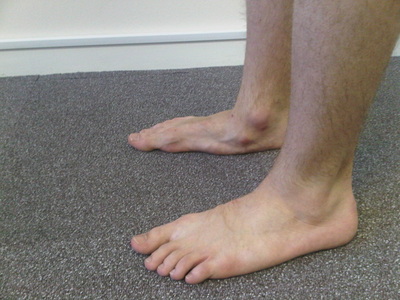
Foot Mechanics Can Influence Knee Function

Understanding lower limb biomechanics

Foot posture and lower limb biomechanics can influence how forces are distributed through the feet, knees, and hips during walking, running, and sport.

In some individuals, altered foot mechanics or movement patterns may contribute to loading changes through the knee and lower limb, which can be relevant when assessing knee pain.

Our podiatrists and physiotherapists assess how the feet, knees, hips, and lower limb function together as part of a comprehensive biomechanical evaluation.

Based on your assessment findings, we can recommend treatment options tailored to your individual presentation, which may include exercise, rehabilitation, footwear advice, orthotic therapy where clinically appropriate, and other conservative treatment strategies.

Book your assessment today

Contact us by filling out the form below

This contact form is deactivated because you refused to accept Google reCaptcha service which is necessary to validate any messages sent by the form.